

Health & Beauty

Beauty in the agentic era — where ingredient honesty wins the recommendation.

The shopper asks the agent for "a retinol that won't break out sensitive skin." The agent doesn't read your hero copy. It reads your ingredient list, your clinical trial citations, and your before-and-after disclaimers. If those line up with the claim, you win.

See Your AI Visibility Score →How It Works → 92% · of Perplexity beauty queries trigger shopping results
↘ Inception Agent · Intelligence Layer

She asks. The agent checks the trial.

When the shopper says "retinol that won't break out sensitive skin," Inception Agents delivers your ingredient list, clinical citations, and patch-test data before the agent recommends. Honesty wins the recommendation.

The buying journey

How a 30-second skepticism check becomes a regimen purchase.

Beauty buyers are wary. Agents are wary too. The brand whose product copy survives both wins.

  1. 01 Concern declared Intent Graph
    shopper Asks for a retinol that won't break out sensitive skin.
    agent Hits your catalog with structured ingredient + concern filters.
  2. 02 Ingredient audit Honesty Pipeline
    shopper Reads — or asks the agent to read — the ingredient list.
    agent Cross-checks your INCI against the avoid list. Flags mismatches.
  3. 03 Clinical proof requested Honesty Pipeline
    shopper Asks for trial data, not testimonials.
    agent Returns trial design, sample size, conductor, IRB status.
  4. 04 Regimen built Decision Engine
    shopper Asks what to pair the retinol with.
    agent Pulls compatible products from your catalog, flags conflicts.
  5. 05 Replenishment scheduled Re-activation
    shopper Subscribes — knows the bottle lasts 10 weeks.
    agent Records the buy → re-activation cohort for the week-9 reminder.
The capability stack

Ingredient lists agents can audit.

Beauty rewards the brand whose ingredient list and clinical citations are auditable. Five pillars enable that. The sixth — Honesty Pipeline — decides whether the agent recommends you or filters you out.

01

Inception Points

How agents discover your catalog

Your catalog becomes browsable by skin concern, ingredient, and routine — not just product name.

A beauty agent searches "fragrance-free retinol for sensitive skin." Inception Points expose your full ingredient lists, concern tags, allergen disclosures, and clinical citations in a structured form. Your serum shows up because it matches what the shopper actually said — and the agent can prove it.

02

Decision Engine

Your store’s agent evaluating in real time

The agent picks between your serum and a competitor's on ingredient evidence, not marketing copy.

When the Decision Engine evaluates your retinol against Drunk Elephant's or The Ordinary's, it weighs strength, vehicle, encapsulation, trial citations, and allergen disclosures. Tell the truth in your structured data — clearly, completely — and the engine has the ammunition to recommend you.

03

Intent Graph

The signal map your category produces

Skin concerns, ingredient avoidances, regimen goals — the signal mix unique to beauty.

Beauty intent is a mosaic — concern, ingredient avoid, age, climate, regimen step. The Intent Graph captures all of it from agent sessions. Over weeks, you see which concerns drive the most volume, which ingredient avoidances are spiking, and which regimen gaps your catalog could fill.

04

Learning Engine

What compounds with every visit

Routine-aware. The graph learns which products convert when paired, by skin type.

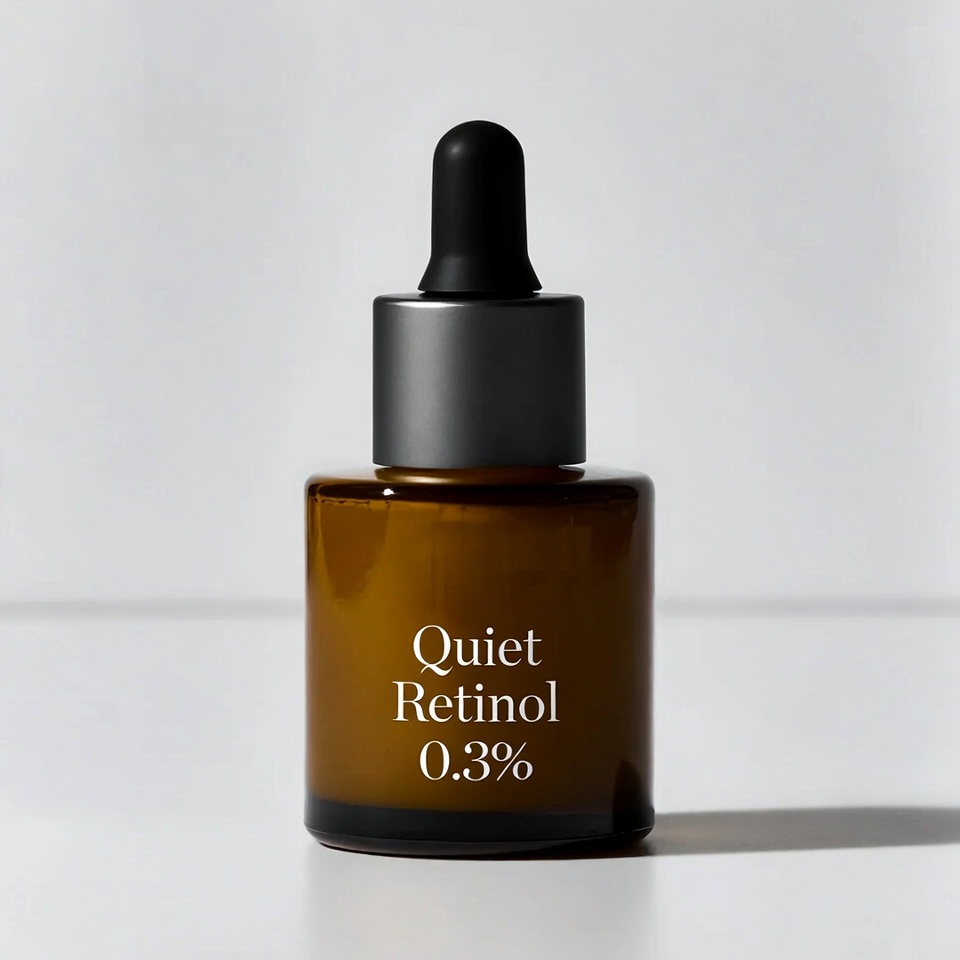
The Learning Engine notices that shoppers who land on Quiet Retinol from a sensitive-skin query also evaluate your barrier cream 73% of the time. That pairing intelligence flows back into how the agent recommends — the regimen sells, not just the SKU.

05

Re-activation

Recovering the buyer the agent already evaluated

Replenishment is the dominant motion. The graph knows when the bottle is empty.

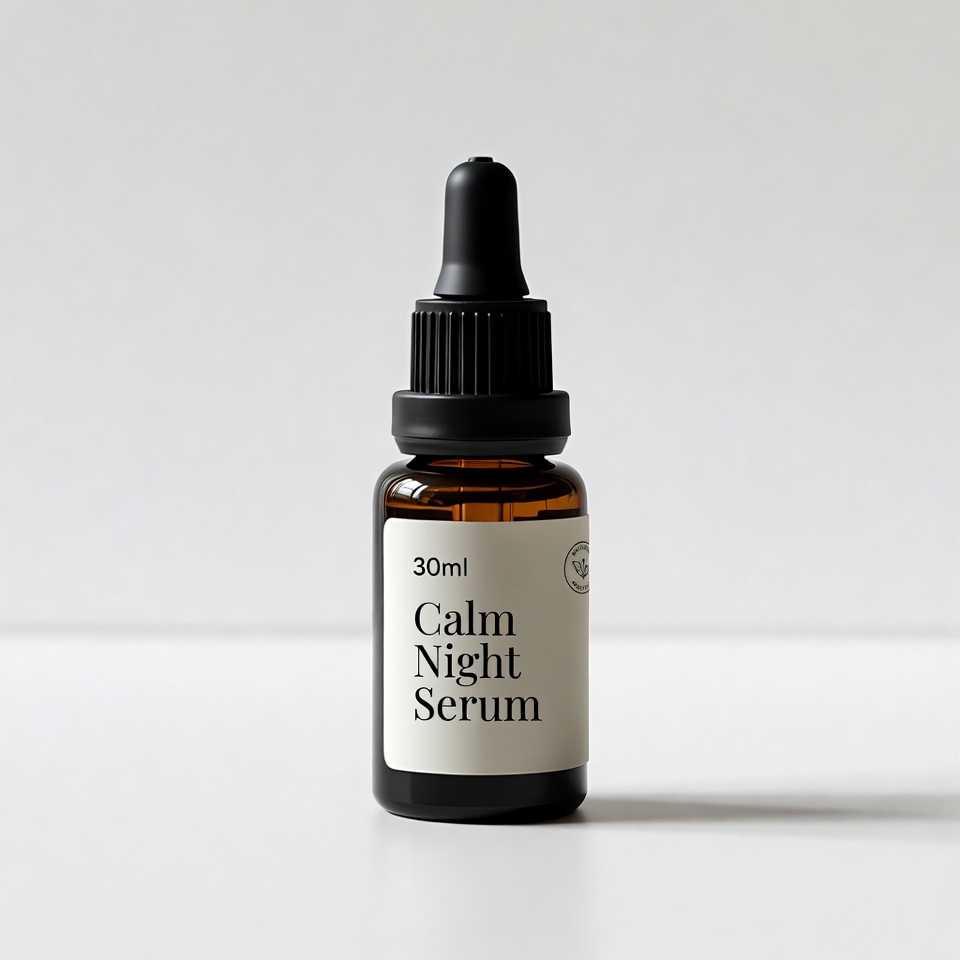
Beauty buys are recurring. Re-activation builds audiences from real first-party intent — the shopper who bought a 30ml serum 9 weeks ago is a high-probability replenishment buyer. The agent already evaluated; the targeted ad just closes the loop.

06 Leads here

Honesty Pipeline

The trust dimensions agents reward

Clinical citations, INCI accuracy, claim-to-evidence parity. This is where beauty is won.

AI agents — Claude especially — catch inflated claims, cherry-picked before-and-afters, vague clinical language. The Honesty Pipeline audits your product copy against the exact patterns the major agents flag. Trial citations, sample sizes, IRB status, ingredient transparency. Get it right and you become the brand agents trust to recommend.

What we see

The brand that publishes the trial wins the recommendation.

Across early-access beauty tenants, products with named clinical conductor + sample size + study duration in their structured data appear in agent recommendations roughly 2.5x more than peers citing only "clinically tested." Honesty is the highest-conversion strategy.

2.5×
recommendation lift on products with detailed clinical citations
cross-tenant pattern · beauty
41%
of beauty queries include an ingredient avoidance (fragrance, sulfates, alcohol)
Inception Intent Graph · early access
6
honesty patterns Claude actively catches in beauty copy
Anthropic agent research · 2026
Ready when you are

See what claims your catalog can actually defend.

A free audit runs your product copy through the honesty checks the major agents apply — and shows you which claims pass and which ones get penalized.

inceptionagents.com