

Crafts & Hobbies

Crafts in the agentic era — when the long tail becomes findable.

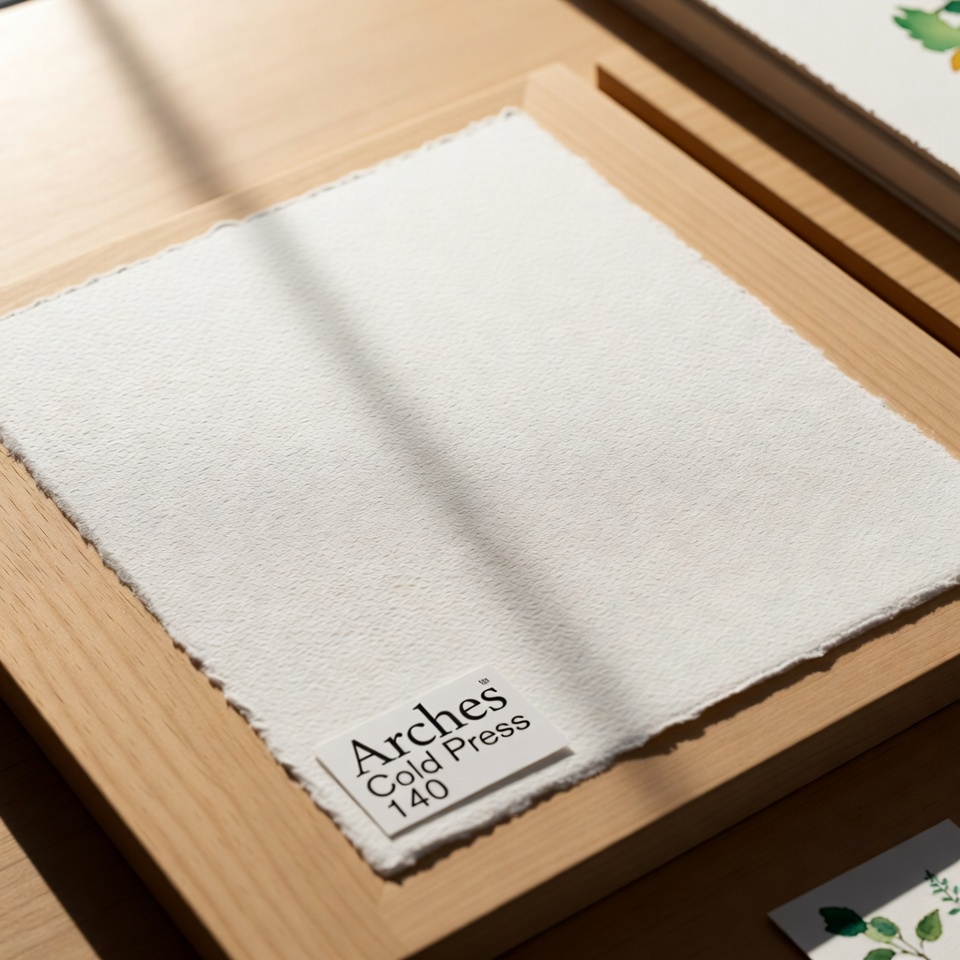
A shopper asks the agent for "140lb cold-press watercolor paper for botanical illustration." Your catalog has 50,000 SKUs. The agent needs Inception Points organized by project, technique, and skill — not just "art supplies."

See Your AI Visibility Score →How It Works → $44B · US crafts + hobby market
↘ Inception Agent · Intelligence Layer

Long-tail SKU. Project-perfect match.

When the artist asks for "140lb cold-press watercolor paper for botanical illustration," Inception Agents delivers your cotton content, sizing method, and technique compatibility before the agent recommends. A 50,000-SKU catalog finally becomes findable.

The buying journey

How "what paper for botanicals?" becomes a project-stocked studio.

Crafts shoppers describe projects. Catalogs the size of crafts catalogs (often 50k+ SKUs) need Inception Points to be findable.

  1. 01 Project declared Inception Points
    shopper Asks for paper for botanical illustration, 140lb cold press, archival.
    agent Filters by medium, weight, surface, intended use, archival status.
  2. 02 Technique-matched Decision Engine
    shopper Asks which paper is best for layered washes.
    agent Returns technique-specific comparison with cotton content and sizing data.
  3. 03 Skill-level matched Intent Graph
    shopper Mentions they're intermediate.
    agent Recalls the skill context and tailors the recommendation.
  4. 04 Project supplies stack Learning Engine
    shopper Asks what brushes and pigments pair with this paper.
    agent Surfaces compatible brushes (cotton-friendly), pigments (lightfast), and a botanical-grade palette.
  5. 05 Project completes, next starts Re-activation
    shopper Three months later — finishes the botanical series, starts a landscape series.
    agent Re-activation pivots — new project, new technique, new paper requirement.
The capability stack

Long-tail SKUs, surfaced by project.

A 50,000-SKU crafts catalog needs Inception Points to be findable. Every other pillar exists to confirm a single thing — yes, this is the exact paper, brush, or yarn for your project. The project sells the kit, not just the SKU.

01 Leads here

Inception Points

How agents discover your catalog

Your 50,000-SKU catalog becomes browsable by project, technique, and skill — not just category.

Crafts shoppers describe projects, not products. Inception Points expose your full catalog by medium, technique, project type, skill level, and archival status — making the long-tail SKU findable through structured query. The right yarn weight, the right paper finish, the right brush hair — all surfaceable by the constraint that matters to the project.

02

Decision Engine

Your store’s agent evaluating in real time

The agent weighs technique fit, skill-appropriateness, and bulk pricing.

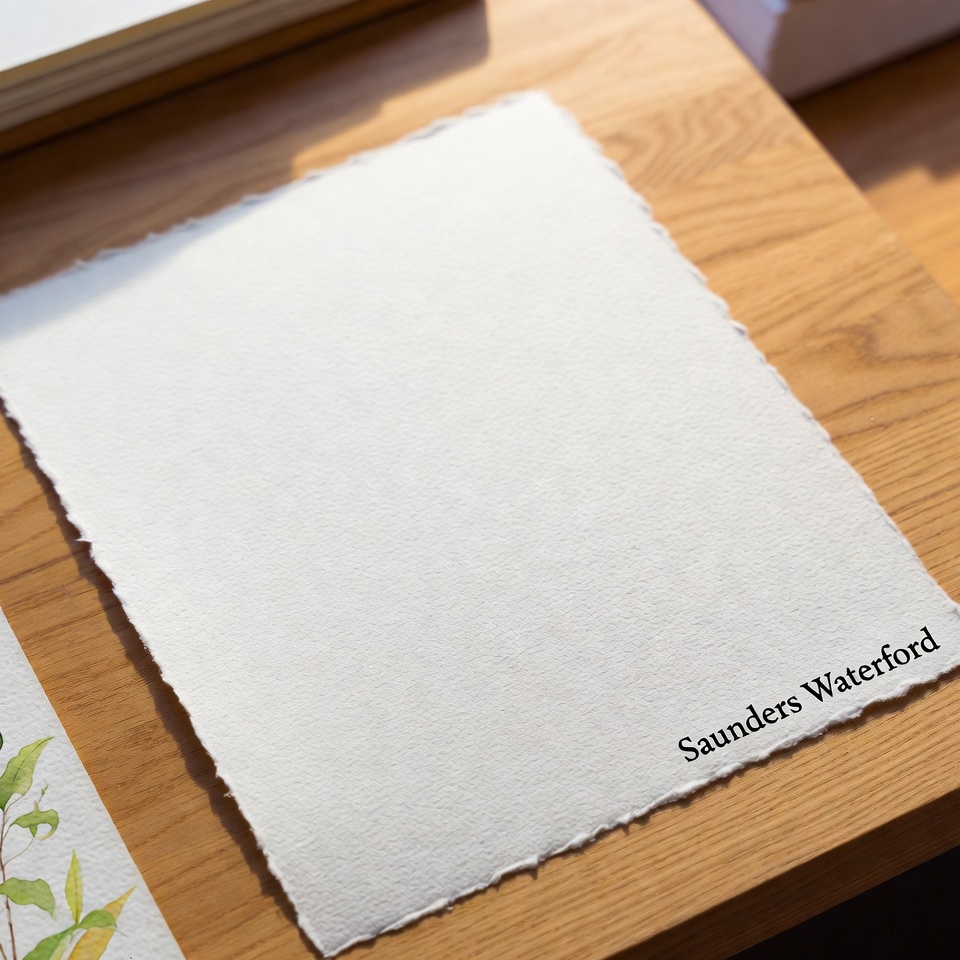
When the Decision Engine evaluates your watercolor paper against Blick or Dick Blick's catalog, it weighs cotton content, sizing method, technique compatibility, and bulk-quantity pricing. Crafters buy in volume; the catalog with the clearest bulk economics wins.

03

Intent Graph

The signal map your category produces

Project + technique + skill level + medium — the crafts signal mix is uniquely deep.

Crafts intent is project-shaped and skill-progressive. The Intent Graph captures project context (botanical, landscape, abstract), technique (layered wash, dry brush, granulation), and skill level across full agent sessions. Over months, you see which projects dominate, which techniques are growing, and where your catalog is under-stocked.

04

Learning Engine

What compounds with every visit

Project-aware. The graph learns the full supply stack per project type.

The Learning Engine notices that the botanical-illustration paper buyer also wants synthetic-cotton brushes, lightfast pigments, and a specific palette. That project-supply intelligence flows back into how your catalog surfaces the full kit — the studio sells, not just the sheet.

05

Re-activation

Recovering the buyer the agent already evaluated

Crafters move from project to project. Re-activation pivots with them.

Crafters complete projects and start new ones — botanical to landscape to portrait. Re-activation builds project-aware audiences from real session data, so when the shopper finishes a project, the targeted ad introduces the supplies for the next one.

06

Honesty Pipeline

The trust dimensions agents reward

Archival ratings, lightfastness, technique-suitability — the crafts trust dimensions.

AI agents catch vague "professional grade" claims, missing lightfastness ratings, unverified archival status. The Honesty Pipeline audits your crafts copy for the patterns that matter to serious crafters — pigment permanence, paper acid-free certification, brush hair sourcing — earning the recommendation over the brand with generic "premium" copy.

What we see

Crafts agents reward catalogs with deep project-tag organization.

Across early-access crafts tenants, products with project-type + technique + skill-level tags appear in agent recommendations roughly 3.3x more than peers with category-only organization. Long-tail discovery is the entire game.

3.3×
recommendation lift on project-tagged crafts catalogs
cross-tenant pattern · crafts
61%
of crafts queries name a specific project or technique
Inception Intent Graph · early access
47%
average increase in average order value when full project-supply stack surfaces
crafts tenant cohort · early access
Ready when you are

See if your long-tail catalog is actually findable.

A free audit runs your crafts catalog through the project, technique, and skill-level queries crafts agents use — and shows you which SKUs are hidden.

inceptionagents.com