



Food, Beverage & Grocery

Food & beverage in the agentic era — when the subscription handles itself.

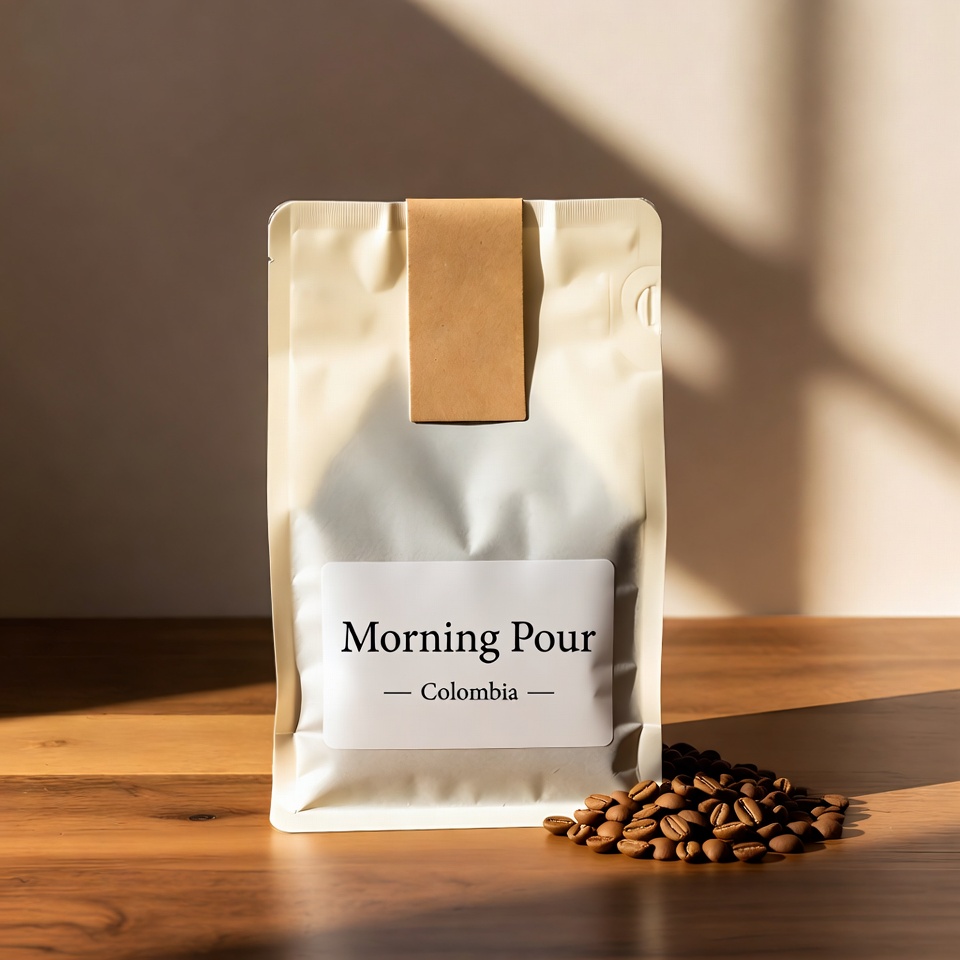
A coffee drinker asks the agent for a single-origin monthly subscription. The agent needs to know your roast date, your origin chain, your ship cadence, and how easy it is to pause. Replenishment is where food and beverage make their money — Inception Agents is how every renewal lands cleanly.

See Your AI Visibility Score →How It Works → $1.5T · US food + beverage retail by 2028
↘ Inception Agent · Intelligence Layer

Subscription in. Bag at the door.

When the shopper says "single-origin, medium-light, monthly, third-wave roaster, around $30," Inception Agents delivers your roast date, origin chain, and pause flexibility before the agent recommends. Replenishment is the moat; the bag arrives before the kitchen runs dry.

The buying journey

How "I want better coffee" becomes a 24-month subscription.

Food and beverage shoppers buy in cycles. The brand that earns the first bag — with the freshest data and the clearest pause policy — wins the next 24 months of recurring revenue.

  1. 01 Subscription declared Intent Graph
    shopper Asks for a single-origin coffee subscription, monthly, third-wave, $30 budget.
    agent Filters by category, roast profile, cadence, price ceiling, and roaster tier.
  2. 02 Freshness verified Honesty Pipeline
    shopper Asks how recent "fresh" actually is.
    agent Returns the roast-to-ship-to-door timeline — real dates, not "fresh roasted."
  3. 03 Flexibility confirmed Decision Engine
    shopper Wants to know if she can pause for vacation.
    agent Surfaces the pause / skip / swap policy in one line.
  4. 04 First bag arrives Re-activation
    shopper Brews on Saturday. Hooked by Sunday.
    agent Records the cadence in the Intent Graph — next ship in 28 days.
  5. 05 Renewal compounds Re-activation
    shopper Month 6 — the agent suggests trying a Kenya origin she'd love.
    agent Re-activation learns flavor preference and surfaces variety inside the subscription.
The capability stack

Every bag, fresh and recurring.

Food and beverage LTV is replenishment-shaped. Every pillar feeds the subscription — Inception Points makes the catalog browsable by cadence, Honesty Pipeline earns the trust to renew, Re-activation captures the cohort 28 days from the next ship.

01

Inception Points

How agents discover your catalog

Your catalog becomes browsable by cadence, dietary, origin, and roast profile.

A food and beverage agent searches "single-origin coffee, monthly, medium-light." Inception Points expose your full catalog with subscription cadence, roast profile, origin chain, dietary tags, and per-batch freshness data. The bag shows up because it matches the kitchen the shopper is actually building.

02

Decision Engine

Your store’s agent evaluating in real time

The agent weighs freshness, pause flexibility, and ingredient transparency before recommending.

When the Decision Engine evaluates your subscription against Trade or Atlas Coffee Club, it weighs roast-to-ship SLA, subscription cancellation ease, and dietary disclosure depth. Food buyers need to know they can pause; that policy clarity earns the recommendation.

03

Intent Graph

The signal map your category produces

Cadence + dietary + variety preference — the food and beverage signal mix.

Food intent is kitchen-shaped. The Intent Graph captures cadence (weekly, monthly, on-demand), dietary preferences, variety tolerance (rotate vs same), and household size — all across the shopper's full agent session. Over months, you see which dietary patterns spike, which cadences convert, and where your catalog has gaps.

04

Learning Engine

What compounds with every visit

Pantry-aware. The graph learns flavor preference and household consumption pace.

The Learning Engine notices that the medium-light single-origin buyer drinks 12oz a week — and that the same buyer is 64% likely to add a Kenyan origin at month 4. That flavor + pace intelligence flows into how the agent recommends — the pantry sells, not just the SKU.

05 Leads here

Re-activation

Recovering the buyer the agent already evaluated

Replenishment is the whole economic model. Re-activation is the moat.

Food and beverage LTV lives in the 6th, 12th, 24th order. Re-activation builds audiences from real first-party subscription signals — the coffee subscriber at day 25 is a near-100% renewal; the snack-box parent who paused for summer is a high-probability September restart. Every targeted ad lands on a real kitchen moment.

06

Honesty Pipeline

The trust dimensions agents reward

Roast date, ingredient sourcing, allergen disclosure — the food trust dimensions.

AI agents catch vague "fresh" claims, missing origin chains, hidden allergens, undisclosed sweeteners. The Honesty Pipeline audits your food and beverage copy for the patterns that matter — roast-date stamping, sourcing transparency, dietary tag accuracy — earning the recommendation over the bigger brand with the looser data.

What we see

Food agents reward catalogs with replenishment data baked in.

Across early-access food and beverage tenants, products with full subscription metadata + per-batch freshness data + pause-policy transparency appear in agent recommendations roughly 3.1x more than peers organized only by SKU. Renewals follow the same shape.

3.1×
recommendation lift on subscription-tagged food + beverage catalogs
cross-tenant pattern · food & beverage
64%
of food queries name a cadence (weekly, monthly, every two weeks)
Inception Intent Graph · early access
4.8×
subscription LTV vs one-time purchase
food & beverage tenant cohort · early access
Ready when you are

See whether your catalog earns the renewal.

A free audit runs your food and beverage catalog through subscription, freshness, and dietary checks the major agents apply — and shows you which products keep getting filtered out before they hit the cup.

inceptionagents.com